Visornets

UV radiation: How does it affect the useful life of safety nets?
UV radiation is part of the electromagnetic (light) spectrum that reaches the Earth from the sun. It has wavelengths shorter than visible light, making it invisible to the naked eye. These wavelengths are classified as UVA, UVB, or UVC.

When should we stop work due to high winds?
When we are working at height, any false step can be fatal. This error may be due to adverse atmospheric phenomena, such as the presence of strong winds. Strong winds: hazards According to the Occupational Safety and Health Administration (OSHA)…
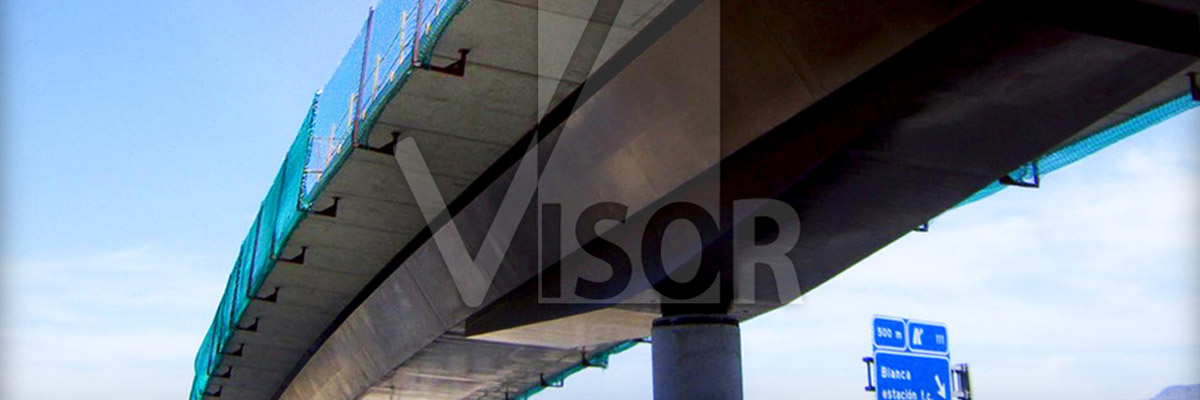
Protection System for Bridges and Viaducts with Safety Nets
As we have commented on numerous occasions, the risk of falling from a height is one of the main ones in the field of construction. This risk is even greater in certain jobs that involve greater complexity and height, as…
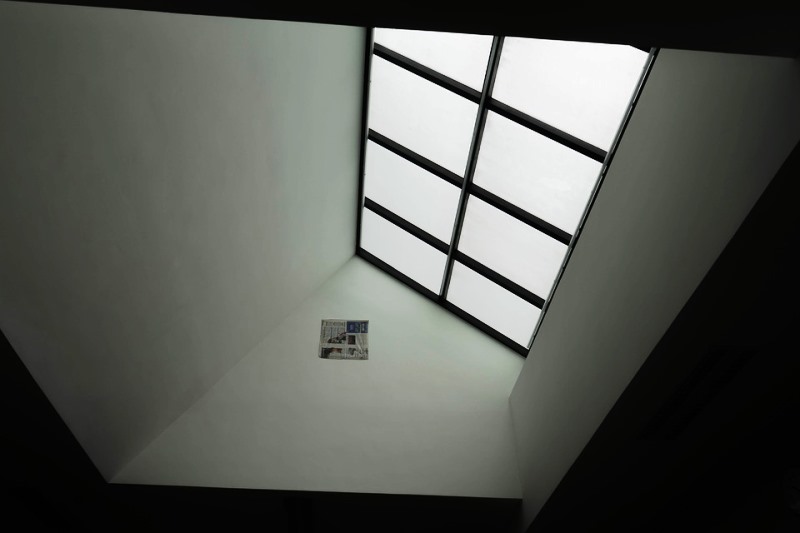
How to prevent falls through skylights
We already know that falls from different heights are among the causes of serious accidents or death in the construction sector. Many accidents occur while the operator is climbing or descending or simply because he does not know beforehand the…
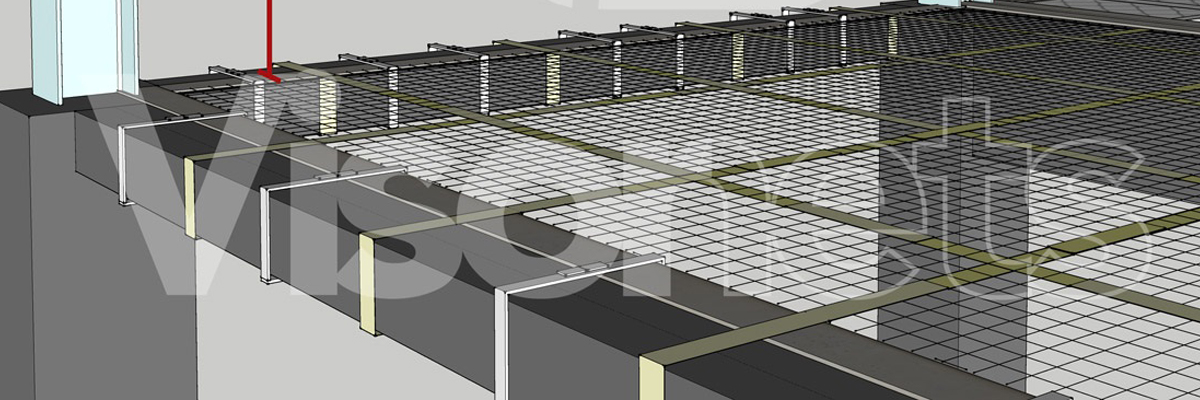
Is an S-type safety net the same as a walk-on net?
We have sometimes received enquiries from potential customers asking us whether S-type safety nets and walk-on nets are the same thing. The answer is no.
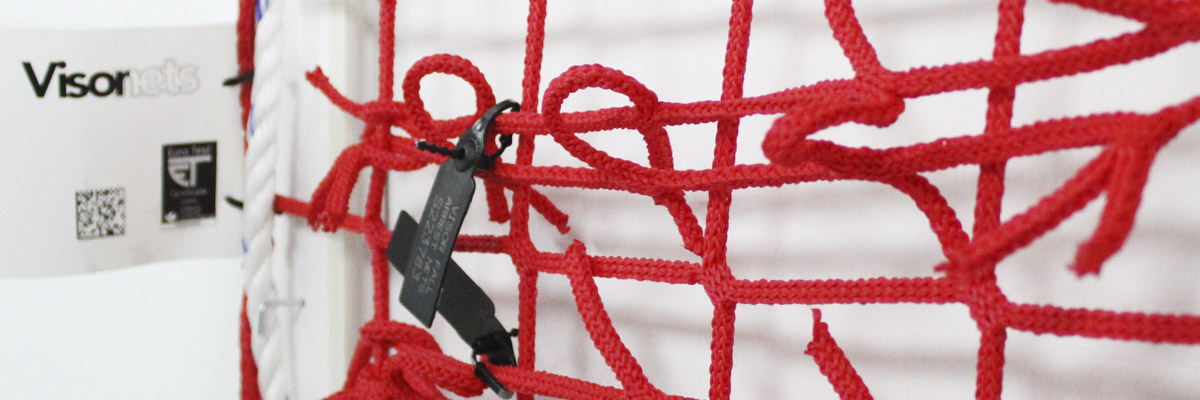
Test meshes and safety nets
Do safety nets have an expiration date? We must remember that according to the EN 1263.1 standard the primary purpose of safety nets is: protection of site personnel and also protection of pedestrians from falling personnel or objects. A safety net…
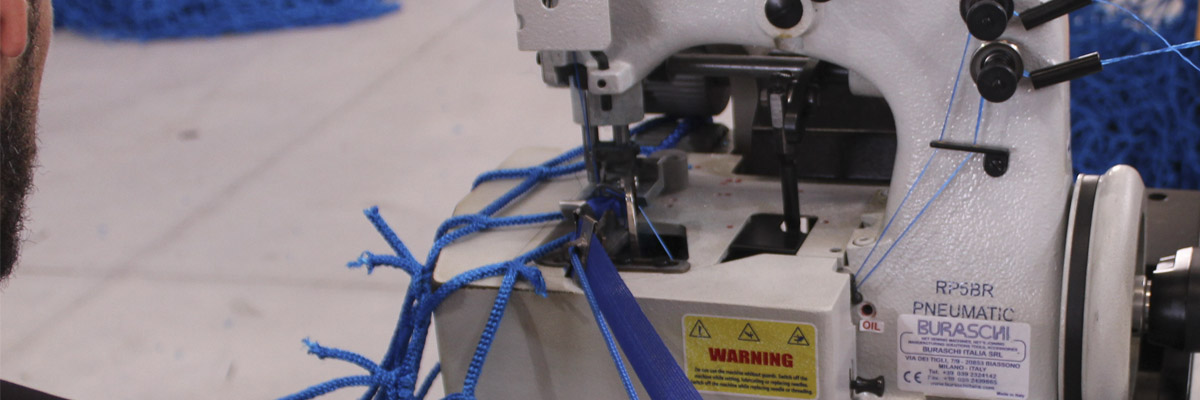
Are there standard size safety nets for construction?
Many of us have surely wondered if there are standard size safety nets for construction. The truth is that depending on the country, the type of work and the purpose for which a certain safety net has to be used,…
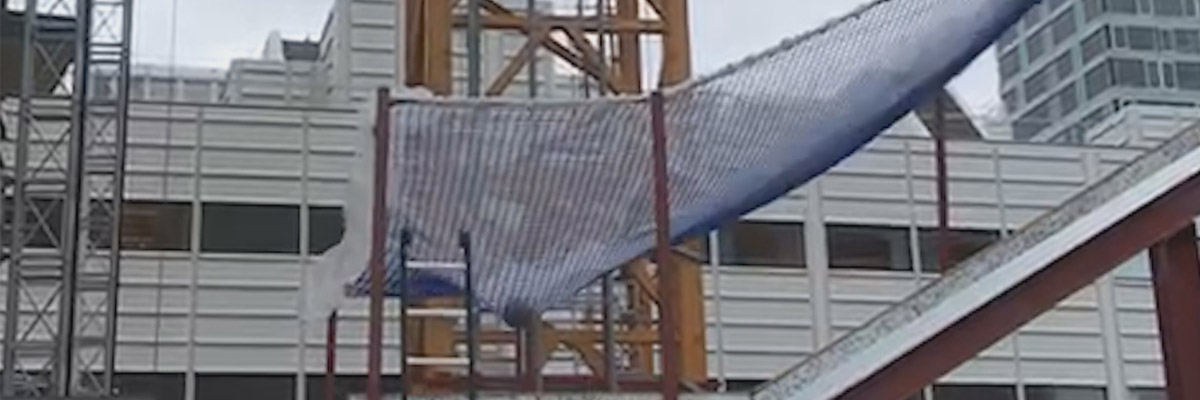
Do S-type nets resist an impact of a 24 kg ball thrown from a height of 25 meters?
Sometimes our clients and collaborators ask us if it would resist the impact of an object less than 100 kgs but at a higher height, as in this case, which is 25 meters.
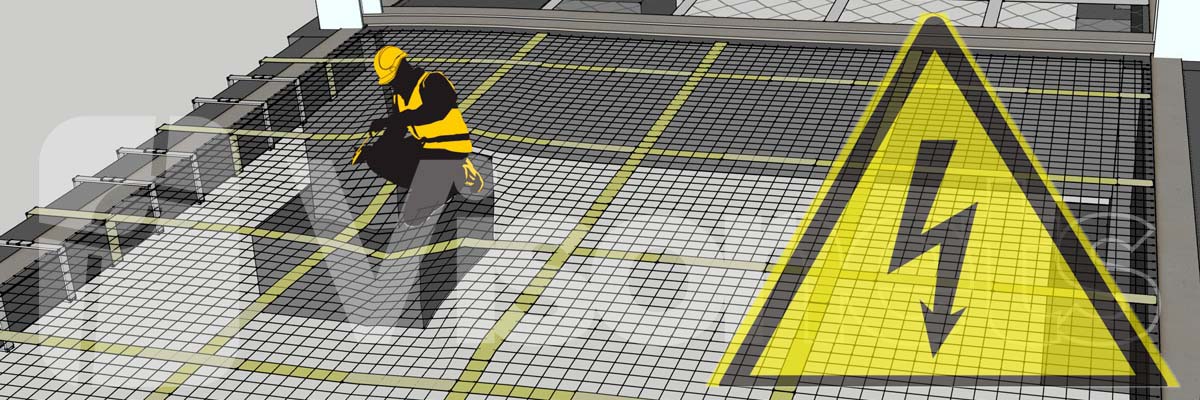
Polypropylene and electricity
Safety nets are most commonly made of knotless polypropylene. One of the great advantages of this synthetic material is that the polypropylene fibres are generally very stable and have certain very interesting characteristics such as: Mechanical resistance, both to impact…
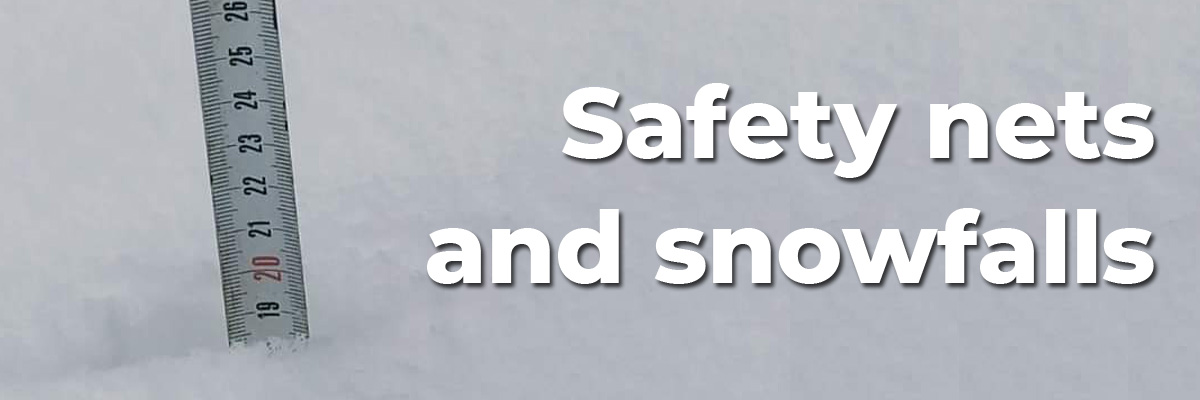
Safety nets and snowfalls
We always link safety nets with worker protection, but they are also interesting for preventing damage from snow accumulation